Global Education
Education continues to create opportunities for people to shape their lives and contribute to the future of their communities. It brings people together, strengthens cooperation, and plays an essential role in building more stable and peaceful societies. In a world marked by growing divisions and uncertainty, the need for solidarity and humanism in education is increasingly evident.
At the same time, the scale of the challenge remains significant. Over 250 million children and young people are still out of school globally (UNESCO, 2024), and many who attend do not acquire basic skills. These gaps are most pronounced in rural and underserved areas, where children are more than twice as likely to be out of school as those in urban areas (UNESCO, 2022). Long distances to school, poverty, and limited infrastructure continue to shape both access to education and learning conditions.
Education systems are also increasingly shaped by conflict and instability. Wars and displacement disrupt learning and weaken students and teachers alike, yet education remains key to building more peaceful and cohesive societies—providing stability, fostering understanding, and enabling teachers to nurture trust, respect, and cooperation.
At the same time, communities are facing the growing impacts of climate change. Education must respond by equipping young people with the skills and knowledge to navigate the dual green and digital transition, thereby contributing to more sustainable and resilient economies. Yet, while digital tools are increasingly prevalent, access remains highly unequal, underscoring the risk of widening the digital divide.
A central factor across all contexts remains the shortage of qualified teachers. Globally, an estimated 44 million additional teachers are needed by 2030 (UNESCO), of which 15 million are for Sub-Saharan Africa. The need is most acute in rural communities, where teachers often work with limited support. In these settings, they are closely connected to the communities they serve, contributing not only to learning but also to continuity and local development.
Supporting DAPP Malawi’s Teacher Training programme
Education in Malawi is currently undergoing a period of transformation focused on increasing access and addressing a historical decline in quality. While primary education has been free since 1994, the system is severely strained by high student-to-teacher ratios and limited infrastructure. Inequality in Malawi’s education is evident in disparities between rural and urban education delivery, with learner-to-teacher ratios close to 100 and poor school resourcing in rural schools.
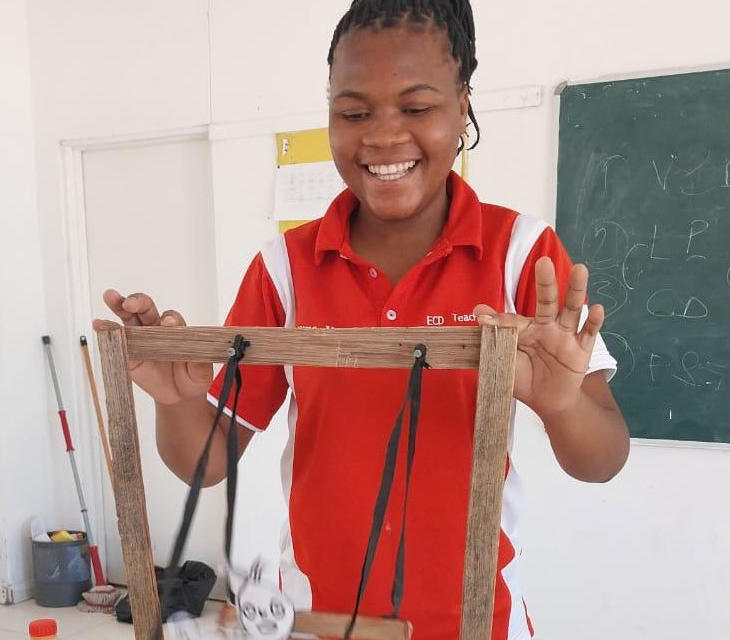
Malawi is one of the least developed countries in the world, and education is proven to be a critical pathway to improving living conditions. DAPP Malawi operates reputable Teacher Training Colleges that prepare teachers for rural primary schools through a two-year, six-term programme. Combining the national Initial Primary Teacher Education curriculum with practical community engagement, these colleges empower educators to serve in rural areas.
In 2025, the Foundation granted a total of US$30,000 to two Development Aid from People to People (DAPP Malawi) Teacher Training Colleges.The supported schools are DAPP Chilangoma Teacher Training College and DAPP Dowa Teacher Training College.
DAPP Malawi is a member of Humana People to People and has a vested interest in training quality primary school teachers to support the government of Malawi’s efforts to improve access to education for its citizens.
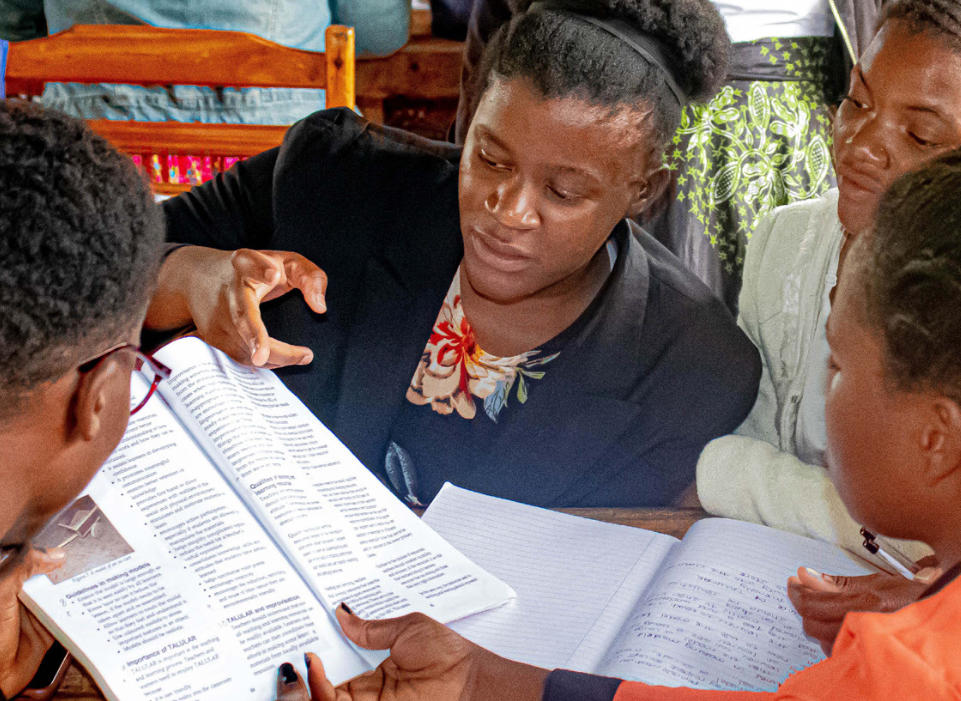
The colleges employ a learner-centred pedagogy across their educational initiatives, emphasising active participation, practical application, and holistic development. Students receive theoretical and practical training that equips them with the skills, heart, courage, and wisdom to assume the roles of teacher and community developer during their deployment.
The training programme is designed to create a new generation of teachers who will bring high-quality, inclusive education to poor communities and contribute to social development. DAPP Malawi collaborates with the Ministry of Education, Science and Technology to further develop the teaching curriculum and methodologies, and to influence how teachers are trained in Malawi.
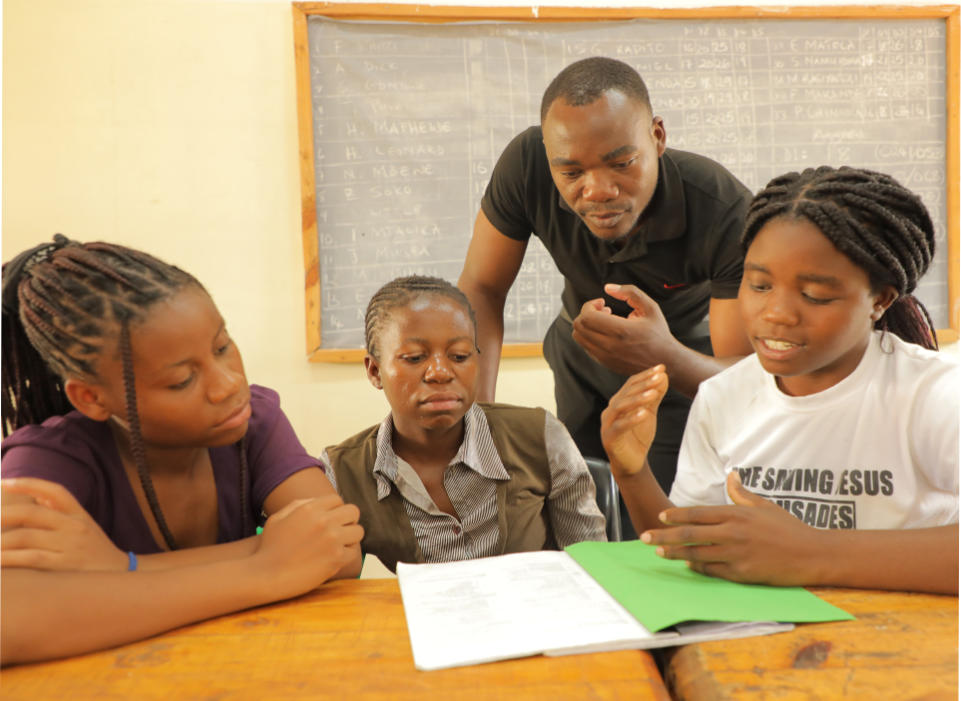
DAPP Chilangoma Teacher Training College
Chilangoma is located in Blantyre District in southern Malawi. DAPP Chilangoma Teacher Training College was established in 2003 as the first DAPP-operated college in Malawi. The college has a capacity for 194 boarding students. In 2025, the college had 429 student teachers in training across three cohorts. Team 2023, comprising 134 students, completed their training and sat the Malawi National Examinations in March 2025. Team 2024, with 155 students, returned from teaching practice in April and prepared for their examinations, which they sat in December. Team 2025 began following interviews with 140 applicants in July and August, who were subsequently enrolled in September.
Beyond classroom teaching and supporting children to achieve learning outcomes, Teams 2024 and 2025 actively engaged in community-based initiatives. They facilitated training for pre-school caretakers, enhancing access to quality early childhood education in 28 community pre-schools. Caregivers were equipped with essential teaching and learning skills to better support pre-school-age children. Additionally, the college organised open days, providing students with opportunities to showcase their activities and strengthen collaboration with communities in the catchment area.
DAPP Dowa Teacher Training College
2025 Highlight
Dowa Teacher Training College Team 2023 had 97 students who completed their teacher training course in April 2025.
The team achieved a 100% pass rate and ranked among the top 5 performing students in Malawi during the national examinations.
The team is waiting for official graduation and deployment to primary schools in Malawi.
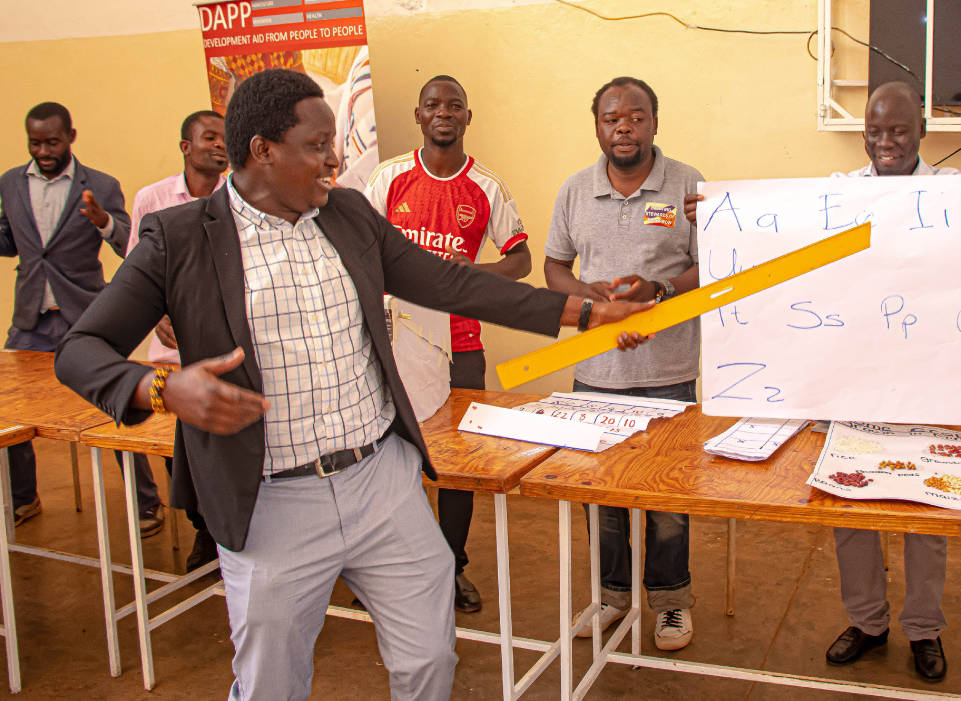
Dowa is a town in Malawi’s Central Region. DAPP Dowa Teachers’ Training College was established in December 2010. The college graduated its first 114 student-teachers in October 2012. Through its training programme, the college continues to train “Another kind of teacher” whose impact extends beyond the classroom into surrounding communities. In 2025, the college engaged community members across different areas.
The most significant was environmental protection, intended to help community members address climate change. The college worked with 1,000 local farmers on environmental education and food value addition.
Furthermore, students ran campaigns to bring back learners who had dropped out of school.
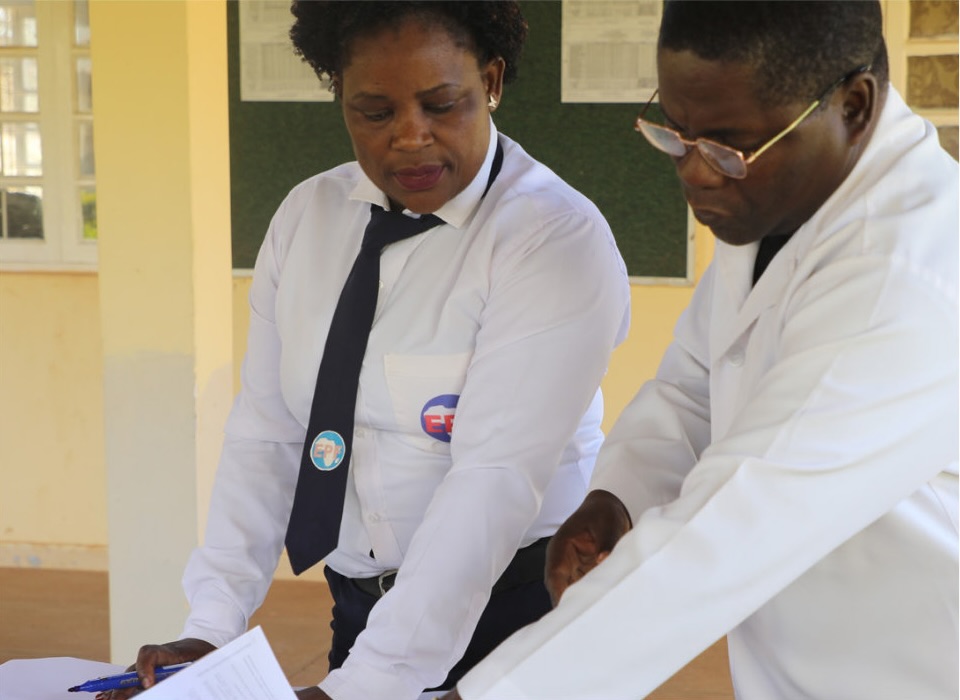
Supporting ADPP Mozambique Teacher Training Programme
Education in Mozambique is facing an urgent crisis, with over a million children affected by conflict, natural disasters, and poverty, leading to high dropout rates and poor learning outcomes. While primary enrolment has increased, limited infrastructure leads to overcrowded classrooms.
ADPP Mozambique focuses heavily on addressing the shortage of qualified teachers in primary education, with more than 2,000 students in training annually.
In 2025, the Foundation supported Teacher Training College Chimoio and ISET-One World with US$205,000.
Supporting ISET-One World
In 2025, 93 students participated in the Course in Licentiate in Pedagogy, 52 in the Course in Licentiate in Community Development, 31 in the Course in Licentiate in Education for the Environment, 23 in the Postgraduate course Master in Pedagogy and Didactics, and 1,003 in the Distance learning courses.
ISET-One World offers bachelor’s (Licenciatura) and master’s degrees in the field of Science of Education. The course qualifies graduates to teach at teacher training colleges and other educational institutions. The Education for Community Development course equips students with the skills to teach and work in community development, with a focus on socio-economic development and poverty reduction.
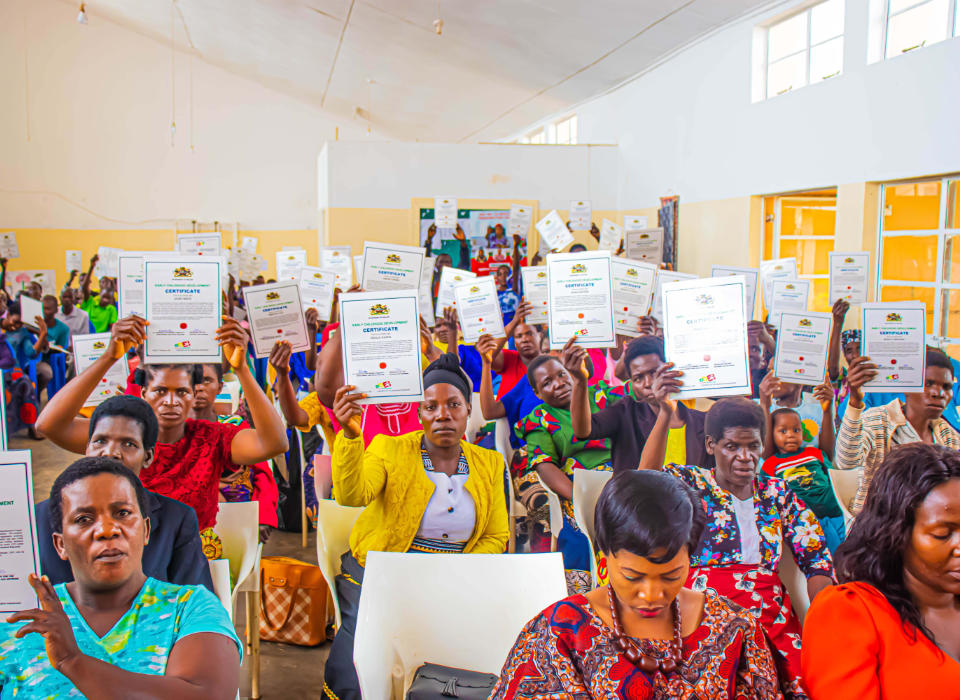
The bachelor’s degree in Teaching Portuguese, as well as the master’s course in Pedagogy and Didactics, started in 2018. To date, a total of 1,264 have graduated with licentiate degrees and 11 with master’s degrees.
Research, investigation, travel, and practice outside the institution were integrated into the programmes, allowing for the acquisition of rich personal experiences that can be applied in real life.
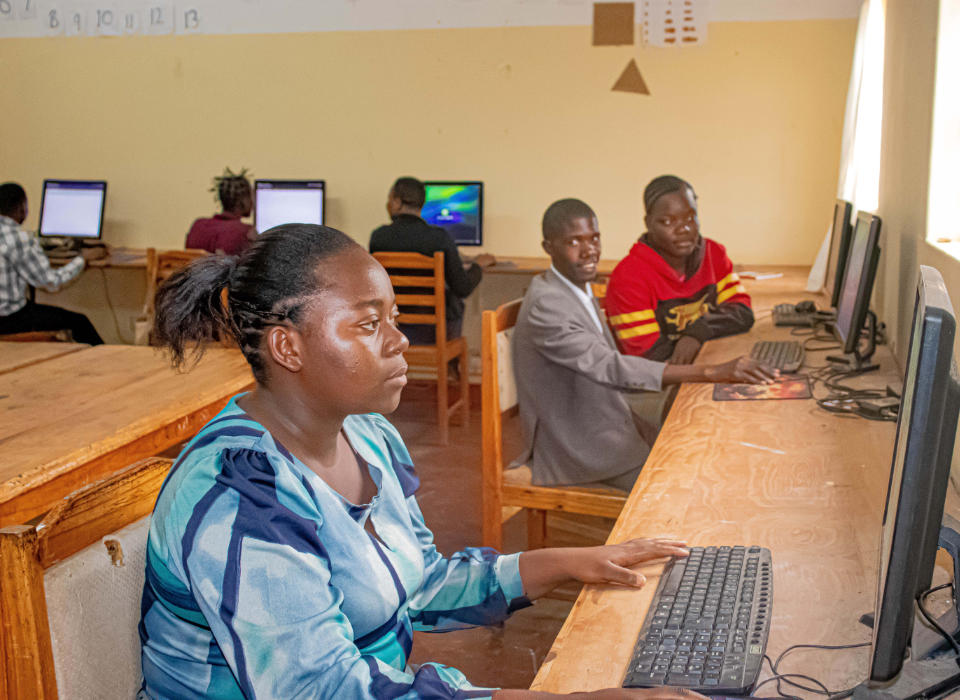
ADPP Teacher Training College Chimoio
The ADPP Teacher Training College Chimoio had a total enrolment of 148 students in 2025, organised into three teams: 55 first-year students, 48 second-year students, and 45 third-year students. All 45 students in the third-year course graduated.
The college has a capacity of 160 students.
At the boarding school, students complemented their curricular activities with intellectual evenings that addressed cross-cutting themes and various clubs, with the strategic goal of overcoming learning difficulties identified in the classroom content.
The ADPP Teacher Training College Chimoio also continued to support the Network of Graduate Teachers in Manica province by organising meetings where participants share experiences and receive professional support to further develop their skills and knowledge.
Supporting DAPP Namibia Vocational School
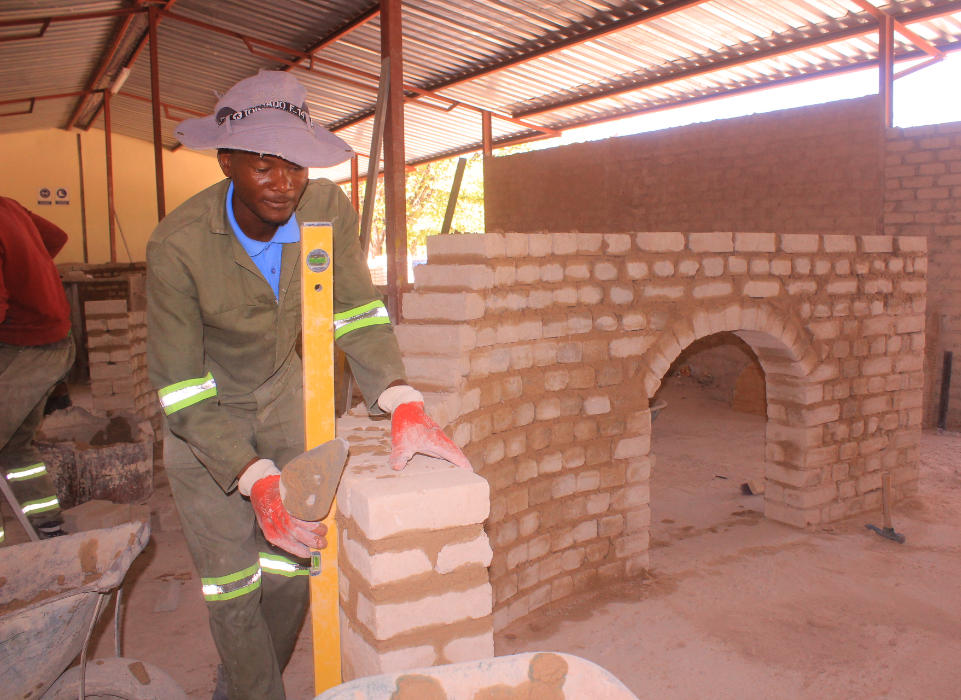
DAPP Namibia Vocational School aims to train young people with skills, confidence, and attitudes that help them make a living for themselves and their families and become active forces for positive change in their communities.
The school focuses on two types of courses; the newly introduced POF Teacher Training course, leading to an upgraded Level 6 diploma, and Agriculture courses, leading to certificates at Levels 2 and 3. In 2025, the school introduced Level 4 in Agriculture. All courses have been accredited by the Namibia Qualifications Authority (NQA).
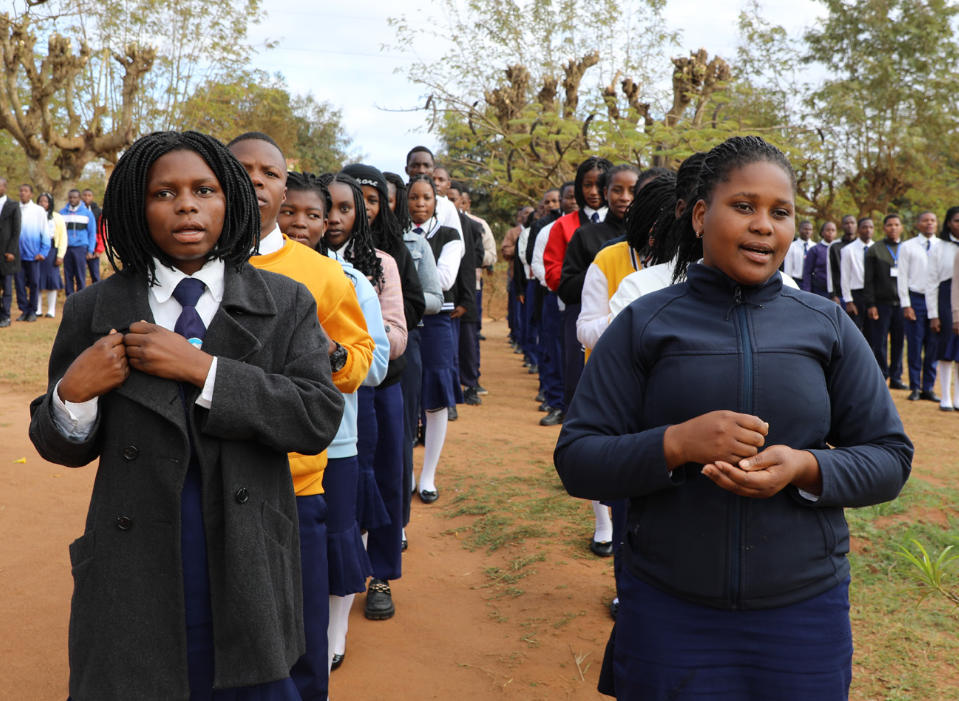
In 2025, a total of 105 students were enrolled in the various courses at the school, including 20 in short courses. In 2025, the Foundation supported the DAPP Vocational School in Namibia with US$30,000.
Supporting AUDA-NEPAD Africa Skills Portal
The Foundation continued its partnership with AUDA-NEPAD to strengthen youth skills development and employment pathways across Africa. As part of this collaboration, the Foundation is supporting the Africa Skills Portal for Youth Employment and Entrepreneurship (ASPYEE) over a three-year period (2025–2028), contributing to its hosting, maintenance, and continued development.
The portal provides a platform for sharing opportunities, knowledge, and resources for young people, strengthening connections between education and labour markets and supporting youth-led initiatives. The partnership also contributes to broader joint efforts to elevate youth voices and promote more inclusive and relevant skills systems across the continent.
In 2025, the Foundation supported the AUDA-NEPAD Africa Skills Revolution with US$18,000.
Supporting AU Commission’s Continental Teacher Award in the Rural Excellence Category
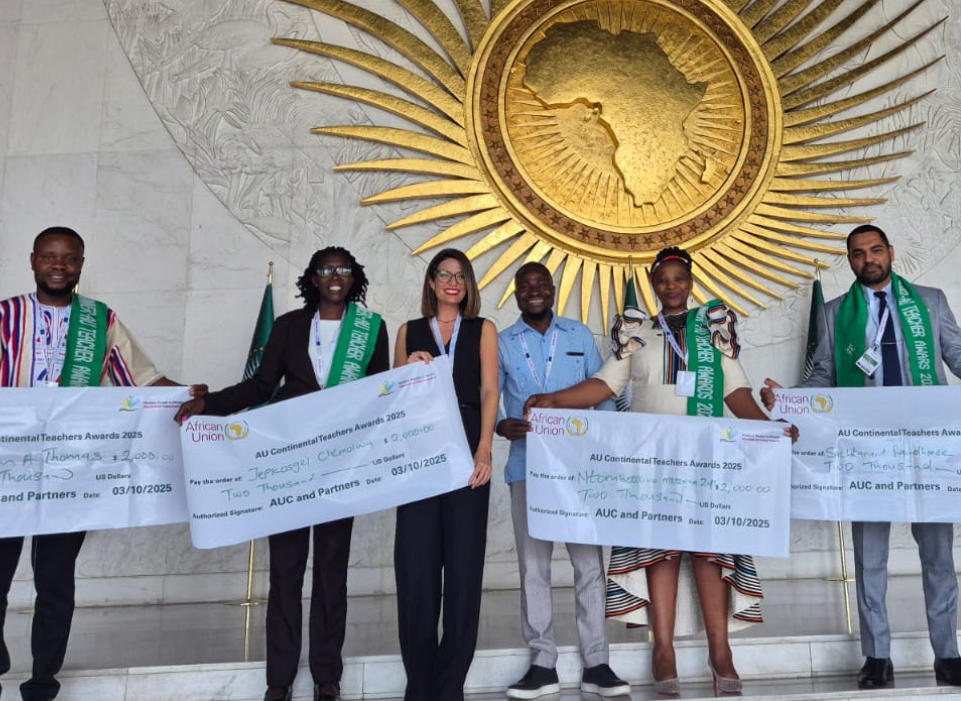
In 2025, the Foundation strengthened its engagement in promoting education across Africa through a partnership with the African Union Commission, supporting the Continental Teacher Awards and contributing to the introduction of a Rural Excellence category.
This initiative recognises teachers working in underserved areas and brings greater attention to their role in education systems. Five awards were distributed to teachers chosen among the recipients of the Continental Teacher Award.
The Foundation funded the Rural Excellence category with US$20,000.